

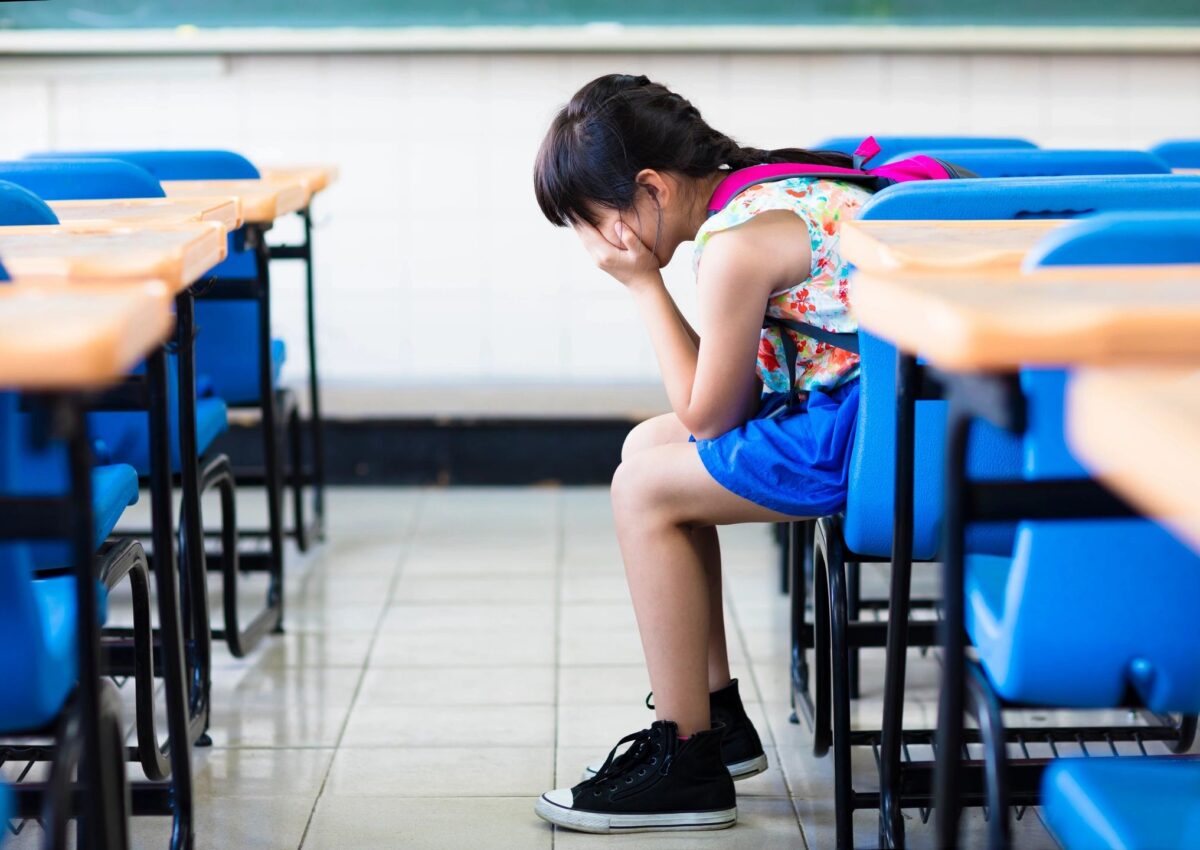
The Subtle Discrimination of Lower Expectations
Why Lower Expectations Hurt Students with Disabilities
Sometimes, lower expectations come from good intentions—a teacher wanting to protect a child from frustration or assuming a task is “too hard.” Other times, it’s due to a misunderstanding or a lack of resources.
But no matter the reason, lowering expectations for students with disabilities limits their opportunities. It shuts the door to future learning, independence, and confidence.
As the saying goes:
“Students can’t be what they can’t see.”
Every student—regardless of disability—needs access to challenging, meaningful learning experiences. When a child is excluded from grade-level academics or enrichment opportunities, it becomes harder—and sometimes impossible —to close learning gaps later.
High Expectations Are More Than a Goal—They’re the Law
For decades, research and experience have shown that higher expectations lead to higher achievement. Congress recognized this when it passed the Individuals with Disabilities Education Act (IDEA).
Under IDEA (20 U.S.C. 1400(c)(5)), schools are required to teach students with disabilities alongside their peers whenever possible. Students receiving special education services must be held to the same challenging standards as their non-disabled peers, with appropriate supports in place.
The Every Student Succeeds Act (ESSA) reinforces this by requiring states to define “challenging academic standards” in reading, math, and science—and apply them to all students, including those with learning differences.
What This Means in Practice
Whenever possible, students with disabilities should learn in general education classrooms with their peers. The focus should be on how they learn, not on lowering what they learn.
That’s where differentiated instruction, accommodations, and services come in. These tools give students equal access to the curriculum while honoring their unique learning styles.
Yes, this approach takes time, training, and funding. Unfortunately, while Congress required schools to provide these supports, it never fully funded IDEA, covering less than 13% of the actual cost.
Even so, schools cannot legally deny services because of limited budgets. Lack of funding does not erase your child’s right to a Free Appropriate Public Education (FAPE).
IEP Check-Up: Is Your Child’s Plan Supporting Growth?
Your child’s IEP should reflect the true purpose of IDEA:
“…to ensure that all children with disabilities have available to them a free appropriate public education… designed to meet their unique needs and prepare them for further education, employment, and independent living.”
(IDEA 20 U.S.C. 1400(d)(1))
Start by reviewing the Accommodations and Modifications section. Ask yourself:
- Do these supports meet my child’s current needs?
- Are they helping my child stay involved in the general curriculum?
- Are they building independence—or creating dependence?
If accommodations have remained unchanged year after year, it may be a red flag. Supports should evolve as your child grows. Gradual “fade-away” planning helps prevent learned helplessness and promotes self-confidence.
Collaboration Is Key
If you’re unsure whether the current IEP encourages progress, request a meeting with both your child’s general education and special education teachers. Working together to review classroom performance and data helps ensure your child is being both supported and challenged.
Remember: you are an equal member of the IEP team. You have the right to question, request changes, and expect accountability. Your advocacy matters—and it can make a real difference.
In a Nutshell: High Expectations Build Bright Futures
Having high expectations isn’t about pushing too hard—it’s about believing in your child’s potential and ensuring they have access to the same opportunities as everyone else.
When parents, teachers, and schools share that belief, students with disabilities don’t just meet expectations—they surpass them.